
CivStart at BRIDGES
July 21, 2026
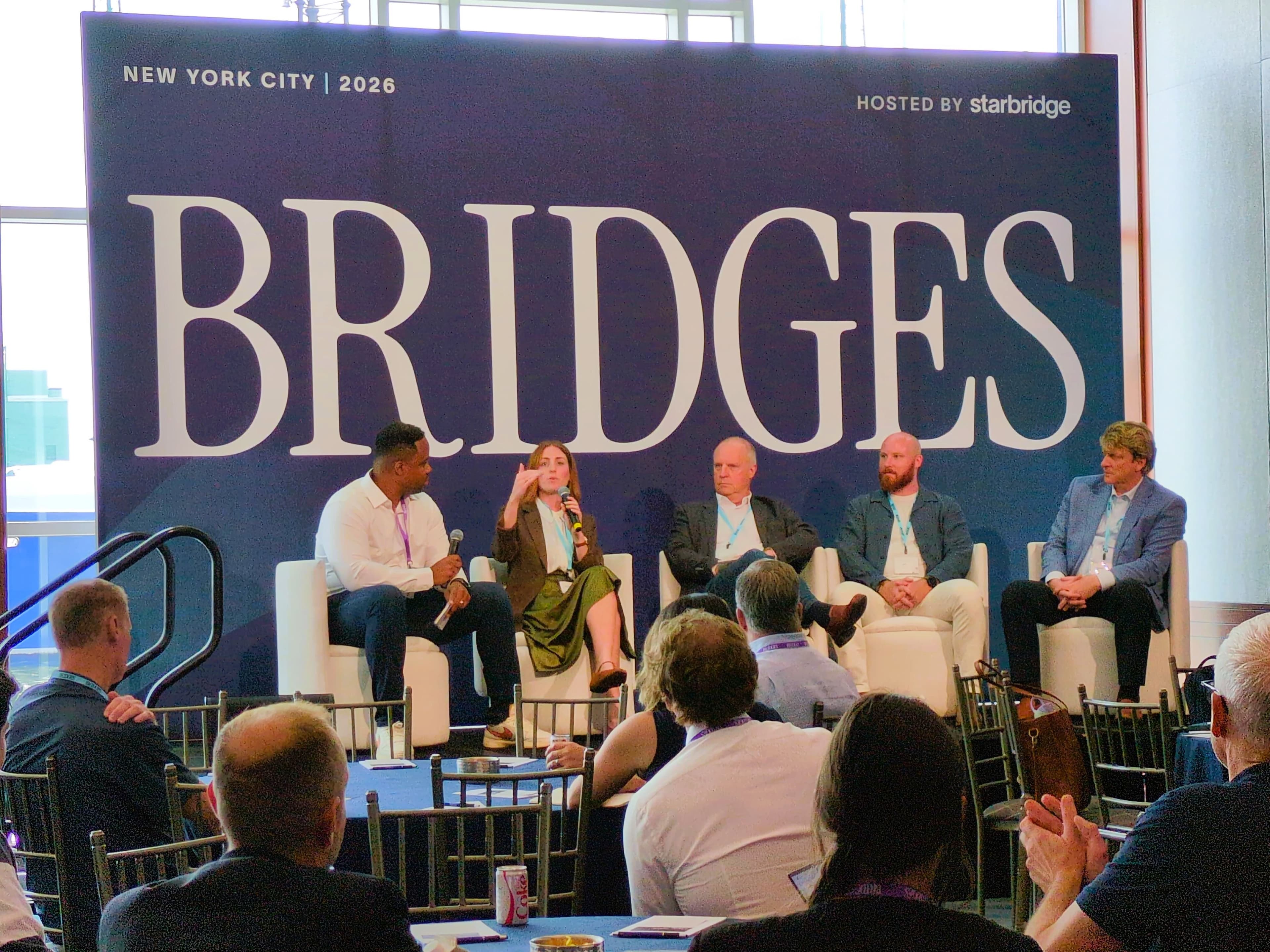
BRIDGES, a two-day conference hosted by Starbridge and CivStart in New York City, brought together government leaders, innovators, startups and investors to explore how artificial intelligence can strengthen the public sector.
The conference also marked the public launch of Clarity, CivStart’s free decision-support platform for government. But our work at BRIDGES extended well beyond introducing a new tool. We helped government leaders work through real challenges, connected practitioners facing similar issues and reinforced a simple idea: technology is most valuable after government has clearly defined the problem.
Starting with the challenge
Government leaders did not come to BRIDGES with hypothetical use cases. They brought difficult, cross-departmental challenges that are often hard to describe, let alone solve.
Those conversations reflected a common reality across government. Before evaluating technology, agencies first need to align internally on what they are trying to accomplish, understand the factors driving the challenge and build consensus around the path forward.
At BRIDGES, CivStart helped move the conversation upstream—from what a technology can do to what government is trying to achieve.
Using Clarity alongside design-thinking approaches, participants worked to identify root causes, organize competing priorities and develop structured problem statements that could guide future decisions.
Working through problems in the open
Putting a real organizational challenge on the table takes trust.
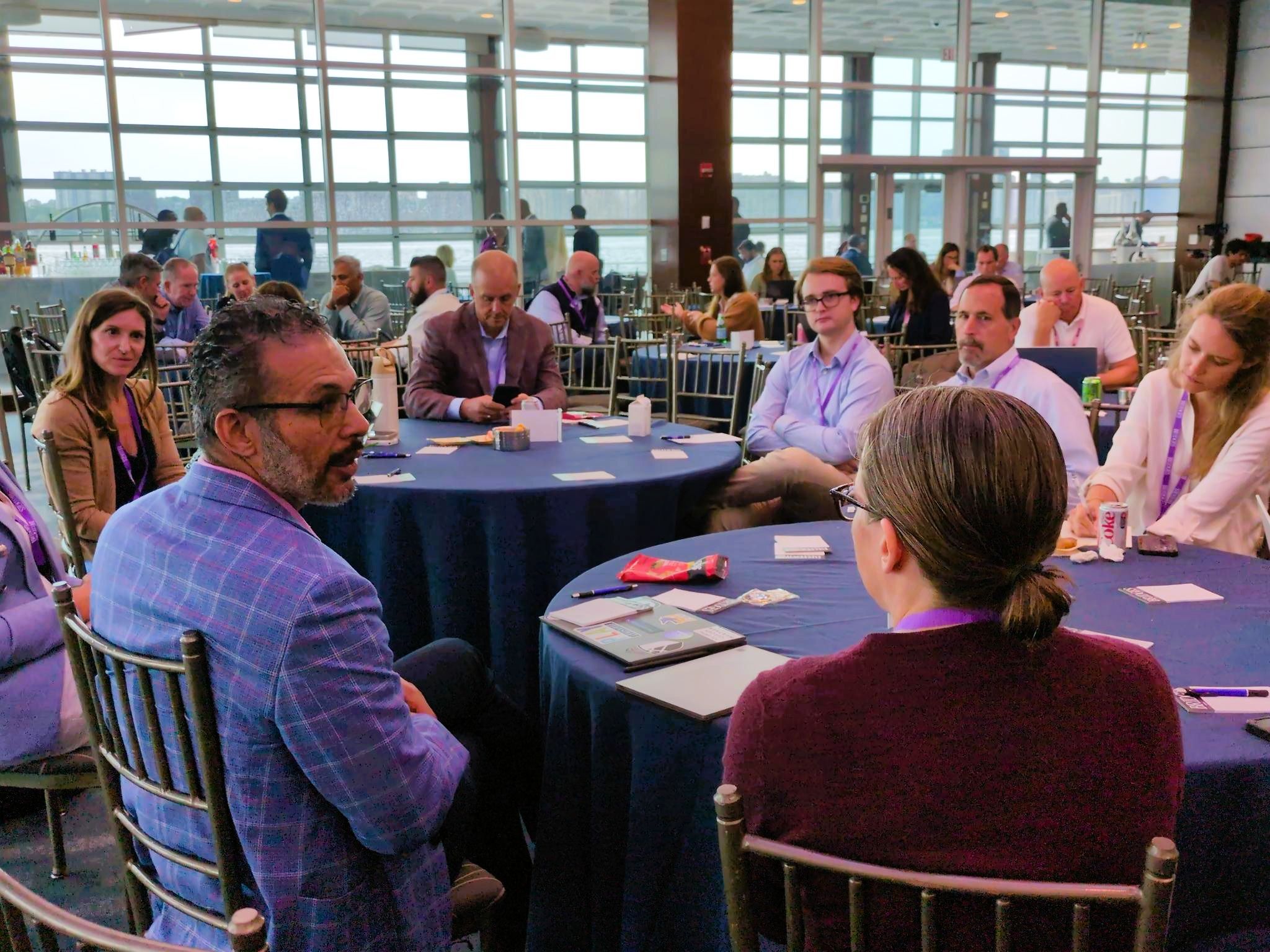
The government leaders who participated were willing to share unfinished problems, test assumptions and invite peers into the discussion. Rather than rushing toward solutions, they examined the conditions surrounding each challenge—cross-department coordination, organizational capacity, procurement realities, available data and community needs.
The result was not a quick answer.
It was a clearer understanding of the challenge itself and a stronger foundation for deciding what should happen next.
Learning from peers
Some of the most valuable moments came when leaders realized another government had already faced a similar issue.
Those conversations reinforced an idea that has shaped Clarity from the beginning: government leaders need more than information. They need context.
How have comparable communities framed this challenge? What questions did they ask? What constraints mattered? What did they learn before evaluating potential approaches?
Clarity helps make those insights easier to discover, extending the peer-to-peer learning that happens naturally at conferences like BRIDGES. It is not a replacement for those conversations—it is a way to continue them long after the event ends.
Built with government
That emphasis on peer learning is no accident.
Over the past year, government leaders worked alongside the CivStart team through the Platform Partners User Group to shape Clarity’s development. Their feedback influenced how challenges are structured, what information is surfaced and how governments can move from identifying a problem to evaluating practical next steps.
The result is a platform designed around the way governments actually work: defining challenges, learning from peers and making informed decisions before evaluating solutions.
Looking ahead
BRIDGES reinforced CivStart’s broader mission: helping governments bring complex challenges into the open, learn from peers and build a clearer path toward action.
That work will continue through Clarity, the State of GovTech initiative and our ongoing partnerships with governments across the country.
Meaningful innovation does not start with technology.
It starts with the challenge.